Modern Computers
Modern Computers
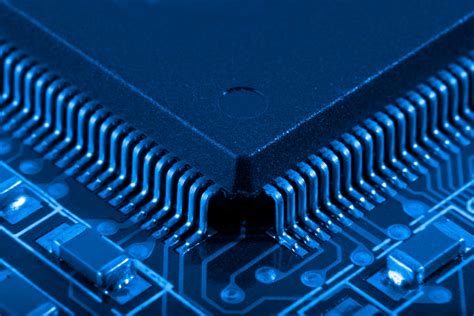
Today we live in a world dominated by computers. We are surrounded not only by the desktop and laptop computers that are a feature of nearly every office and home, and the smartphones that are seen as a standard modern accessory, but also by the computational devices embedded into nearly every electrical device we touch.
Microprocessors are built into cars, watches, televisions, coffee makers and countless other devices. Although there is no widespread agreement on the topic, some people have declared this world of ubiquitous computing (computers found everywhere) the Fifth Generation of computing because of the fundamental change in how we interact with computers.
| Modern microprocessors | |
This Intel i7 processor feature billions of transistors on one chip the size of a fingernail | 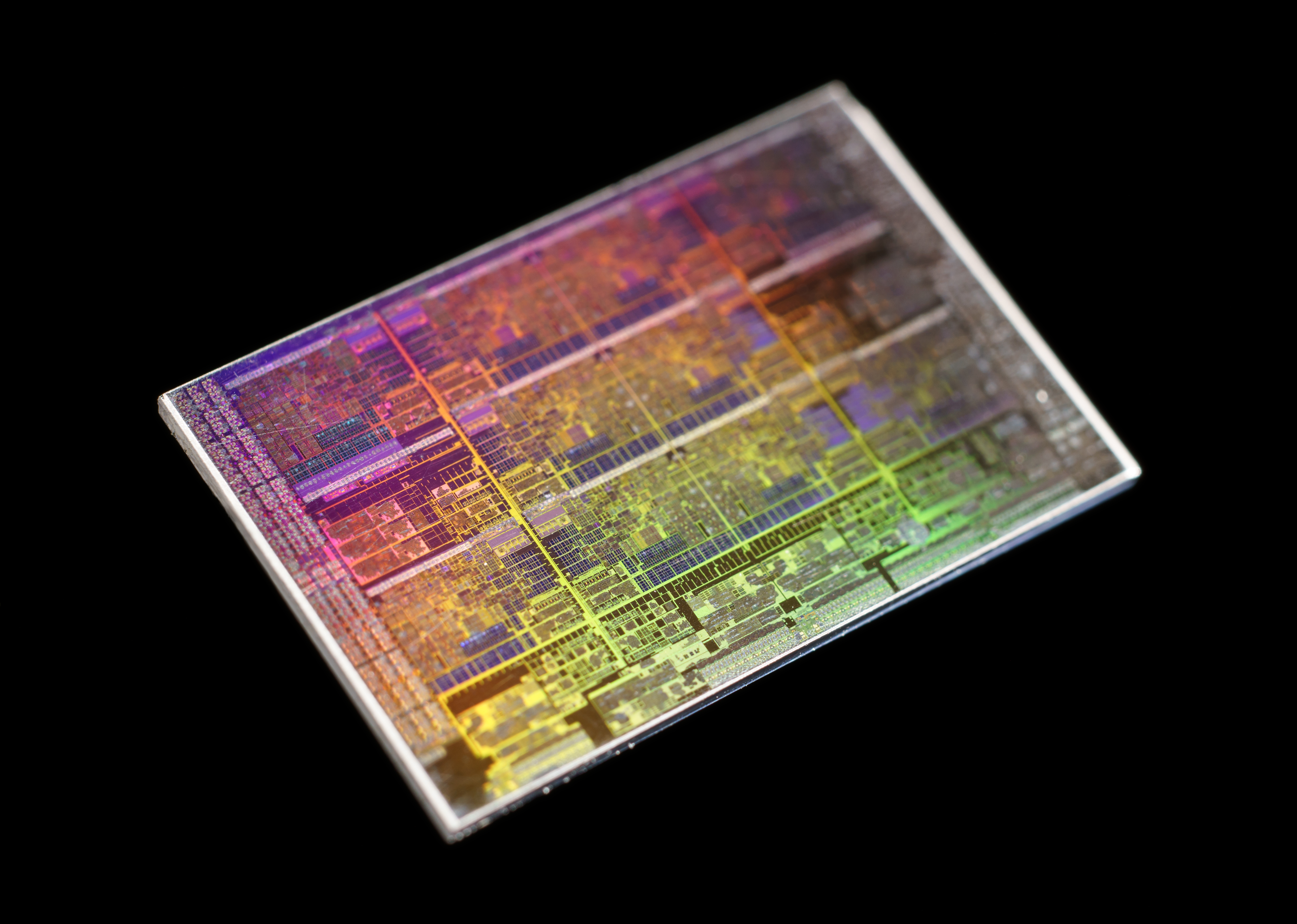 |
| Smartphones | |
Smartphones like the iPhone are more powerful computers than the supercomputers of the 1970s. And they can play Angry Birds. | 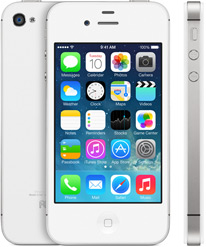 |
How are microchips made - from sand to semiconductor: Microelectronics usually is hidden to society – however, it is a constant companion in our daily lives. It tremendously contributes to the ongoing development and digitization of our world. But what is actually behind this technology?
Complexities of Chip Manufacturing
In this video we explain how microchips are made and what conditions are necessary for manufacturing.Terms
Multicore processor — A single CPU chip that contains two or more independent processing cores, each capable of executing instructions simultaneously. Modern processors routinely have 8, 16, or more cores for parallel execution.
Mobile computing — The use of portable, battery-powered devices (smartphones, tablets) that contain full general-purpose computers. Enabled by continued miniaturization of microprocessors and wireless networking.
Adapted from Chemeketa Community College's Computer Science Dept's CS160 Reader
© Copyright  This work is licensed under a Creative Commons Attribution-NonCommercial 4.0 International License.